
Catching energy that is lost in process. Delhi pilot.
Hospitals in India generate toxic medical waste that must be incinerated. Retainergy is designed to capture the waste heat from that process and turn it into steam and cooling – with power generation being explored – starting with a pilot at Biotic's facility in Delhi.
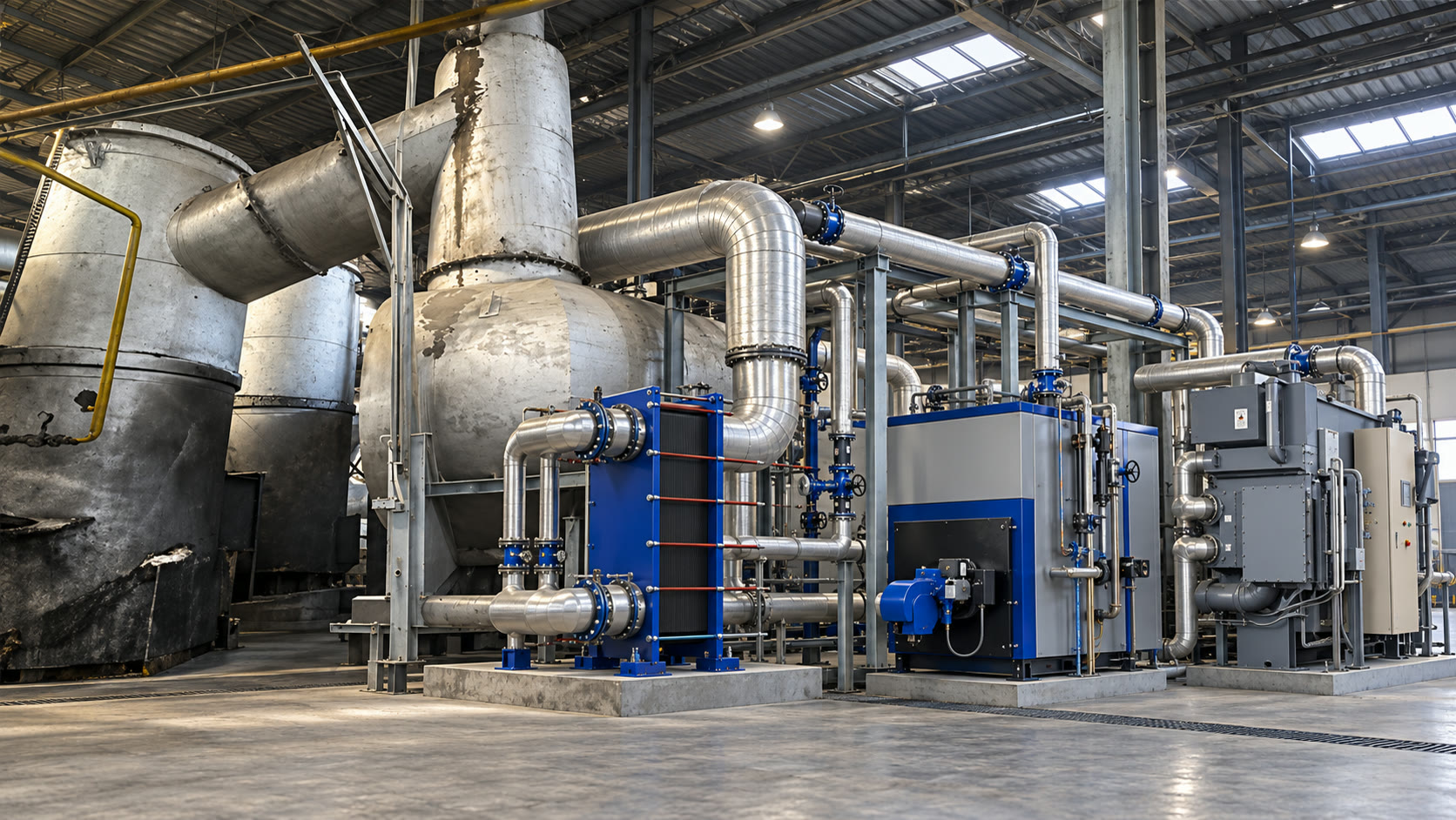
One waste stream, steam and cooling.
Today the heat is only partly recovered as steam. The rest is cooled by a gas-fired unit and released into the air, adding to Delhi's urban heat island. Retainergy aims to put it to work instead – with power as a third output being explored.
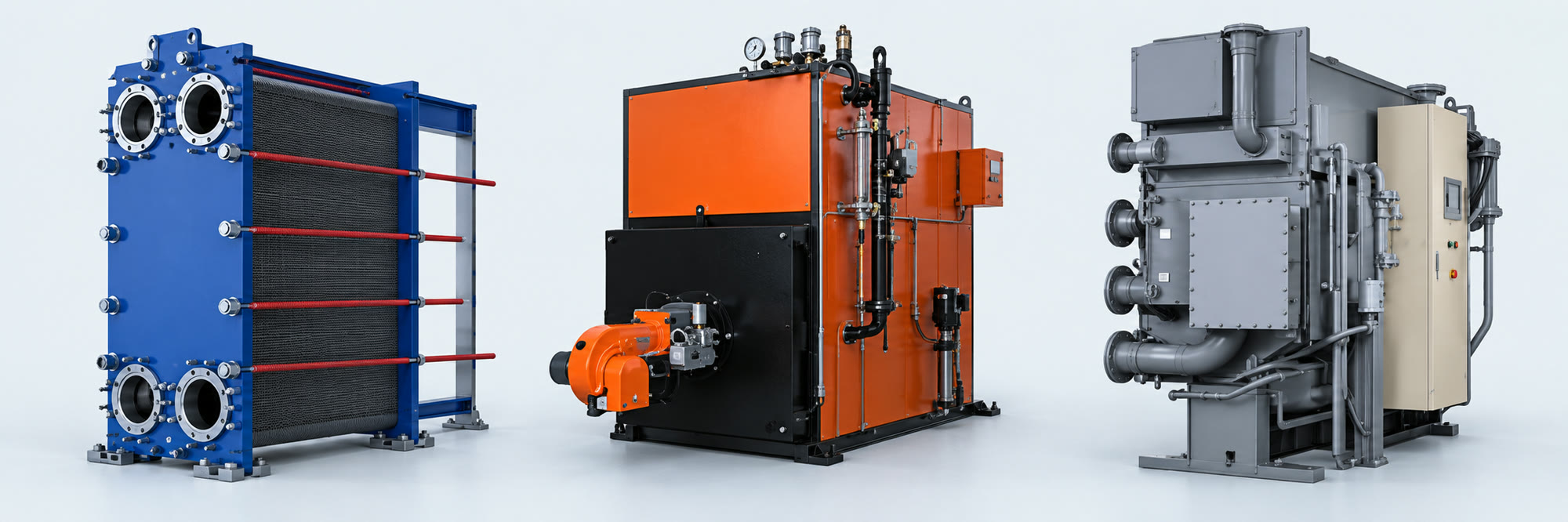
Steam for sterilisation
Recovered heat generates the steam the facility already needs for sterilising medical waste.
Pilot scopeCooling
Absorption chillers turn heat into cooling for the plant and adjacent buildings – a starting point for industrial symbiosis.
Pilot scopePower
Electricity from the same heat could create a new revenue stream for operators of incineration facilities.
Being exploredA testbed in a plant that runs every day.
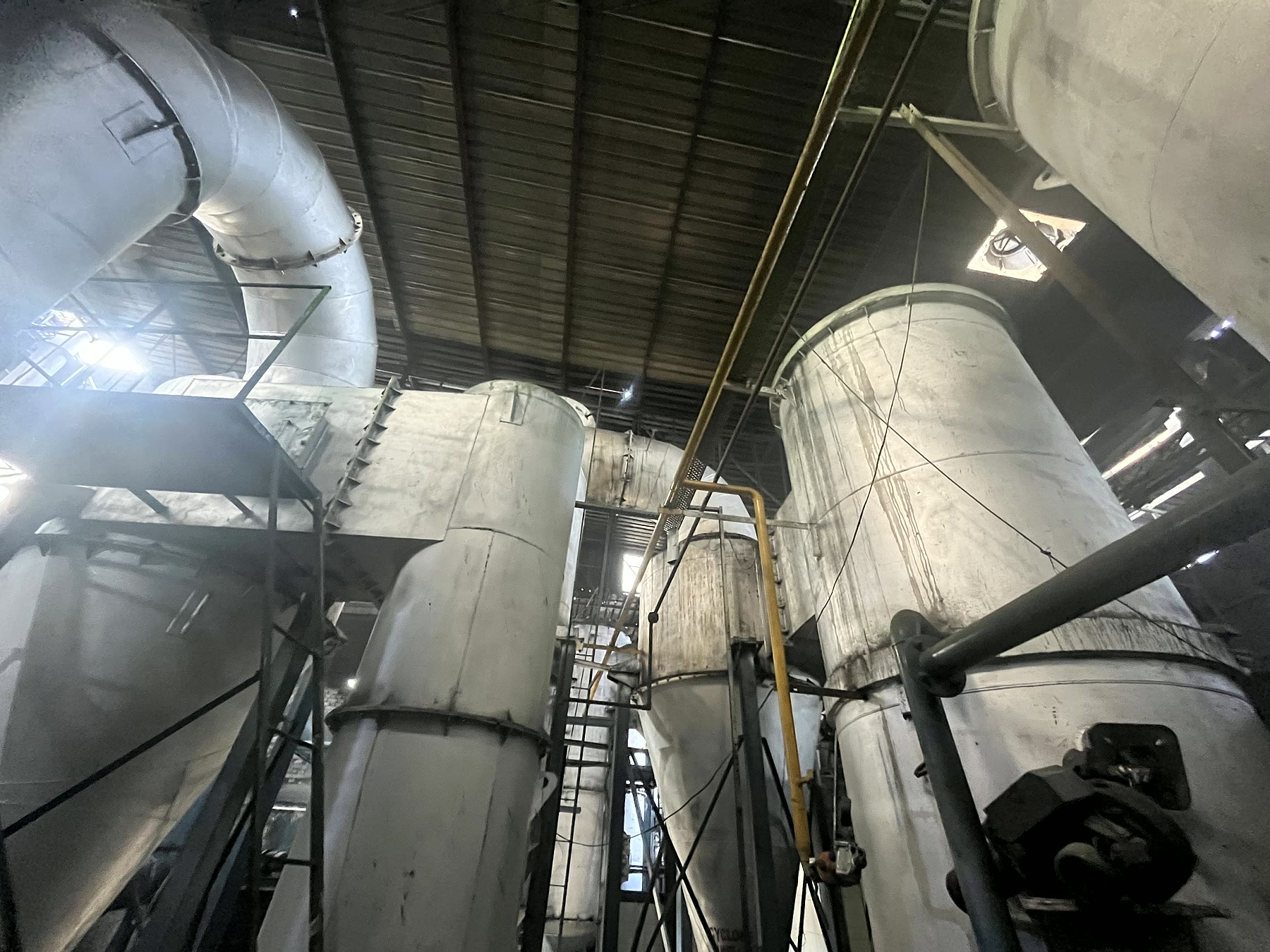
The solution will be designed and tested at Biotic Waste Ltd's incineration facility in Delhi. If it meets the technical, regulatory and commercial requirements, it will be rolled out across India and, later, in neighbouring countries.
- MAY 2024Pilot project initiated
- NOWTestbed design and market research in the Indian medical waste sector
- NEXTInstallation and testing at the Delhi facility
- LATERRoll-out in India, other industries and neighbouring markets
An Indian–Swedish collaboration.
The partners combine hands-on operation of medical waste incineration with capacity building, engineering networks and environmental research.

Biotic Waste Ltd
Leading operator in bio-medical waste management, serving 11 000+ healthcare facilities from five plants.

Heatnet Global
International capacity building for decarbonising heating and cooling, with a network of engineering partners.
IVL Swedish Environmental Research Institute
Independent research institute with a large team in Mumbai working on water, infrastructure and waste.
Help build the next installations.
We welcome industry partners at an early stage, to make heat recovery from incineration affordable, standardised and easy to retrofit.
Peter Anderberg, Overall Project Leader · Heatnet Global